
Natural Isn’t Always Safe
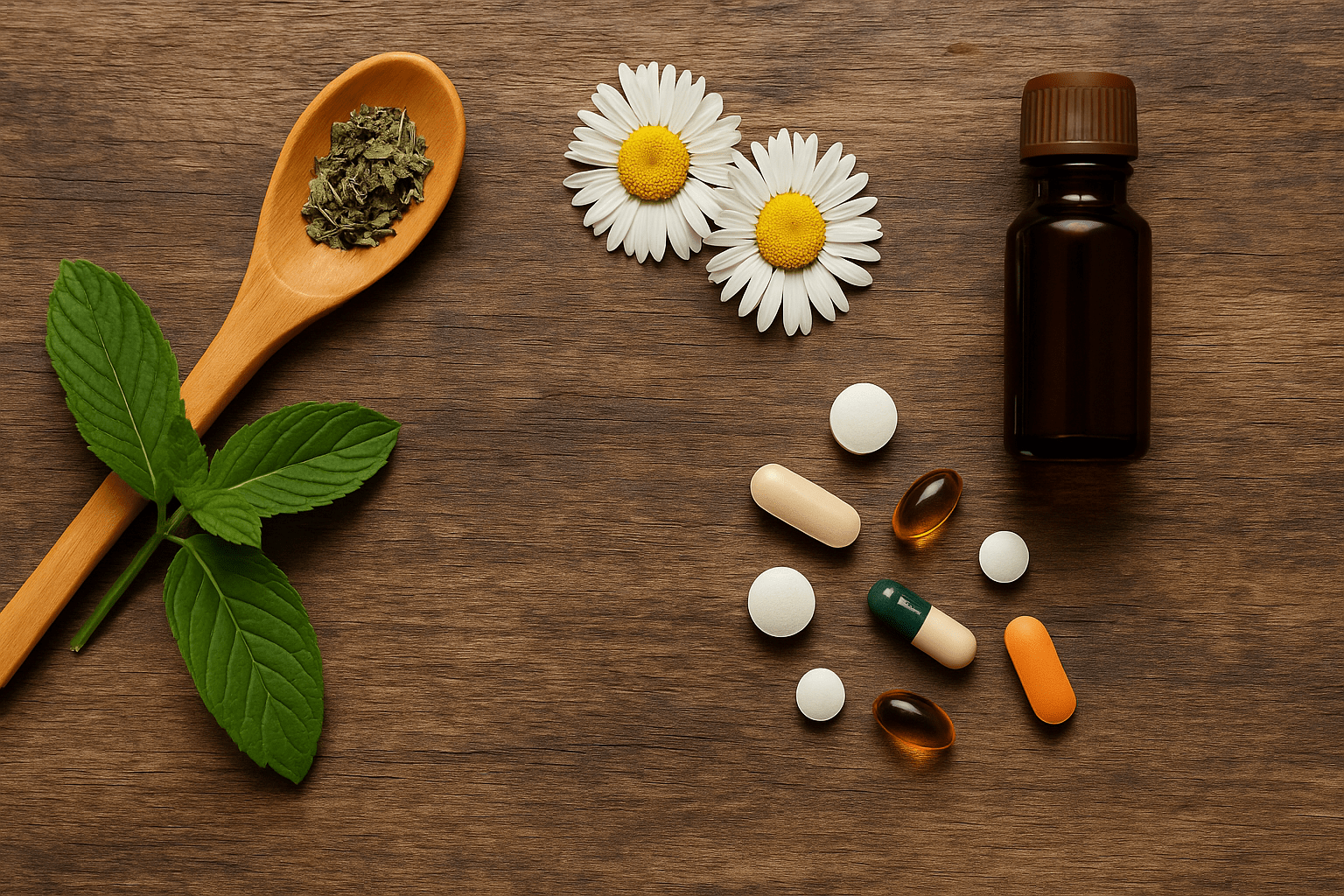
Walk through any health store or scroll through wellness influencers online and you will quickly see a pattern. Natural is celebrated and chemicals are feared. People reach for herbal teas instead of pills, essential oils instead of sprays, plant extracts instead of pharmaceutical compounds. The word “natural” appears like a golden seal of safety and goodness. And to be fair, in many cases, this preference has yielded benefits. We have replaced artificial food colorings with fruit and vegetable extracts, swapped harsh cleaning agents for biodegradable plant-based formulas, and eliminated some synthetic preservatives in favor of naturally derived alternatives that are easier on the body and environment. These shifts show how science and public awareness can come together to improve our health and daily lives by learning from nature’s design. But there are many instances where natural isn’t always safe – and it’s important that we understand this idea to protect ourselves from potential harm.
But this growing reverence for all things natural has also taken on a life of its own. Somewhere along the way, “natural” became a stand-in for “safe,” “pure,” and even “medically superior.” That is where the thinking begins to fall apart. Just because something is natural does not mean it is harmless. And just because something is synthetic does not mean it is dangerous. The human body does not sort substances by origin but by their chemical structure and biological effects. A molecule that triggers an allergic reaction or damages the liver will do so whether it came from a plant or a laboratory.
Nature can indeed be a source of healing, but it is just as often a source of harm. There is no inherent virtue in a compound simply because it was grown instead of made. That belief, though well-intentioned, can lead people to underestimate risks, delay critical treatments, or fall prey to misleading marketing. If we want to make truly informed decisions about what we put in and on our bodies, we need to move past the simplistic natural-versus-chemical mindset and take a deeper look at what actually makes a product safe or effective.
Nature’s Poisons
Some of the deadliest substances on Earth come straight from the natural world. Ricin, for example, is a highly toxic compound from the castor bean plant. A dose as small as a few milligrams can shut down your cells’ ability to produce protein, leading to organ failure and death. It is entirely natural. So is cyanide, found in the seeds of apples and apricots in small amounts. Hemlock, famously used to execute Socrates, is another natural product, one that disrupts the nervous system with devastating speed. And did you know there are over 100 species of mushrooms that are deadly to humans?
Even seemingly gentle things can be dangerous in the wrong dose. Nutmeg, the same spice you sprinkle into holiday drinks, can cause hallucinations, nausea, and seizures in high amounts. Grapefruit can interfere with common medications like statins and blood pressure drugs, intensifying their effects to dangerous levels. Kava, a plant-based drink used in some cultures for its calming effects, has been linked to serious liver damage.
People often assume that if something has been used for centuries in traditional medicine, it must be safe. But traditional does not mean harmless. For instance, aristolochic acid, found in some traditional Chinese herbs, was used for weight loss and detoxification. It turned out to be a potent carcinogen and cause of kidney failure, leading to bans in several countries.
The Other Side of the Story
Meanwhile, many synthetic drugs have been carefully studied, refined, and tested in controlled environments. Aspirin, one of the most common pain relievers, is synthetic now, but it was originally inspired by salicin from willow bark. The natural form caused stomach irritation and had unpredictable potency. Chemists isolated the active part and modified it to create a more stable, consistent, and safer medicine.
Vaccines, insulin, antibiotics like penicillin and amoxicillin, all come from processes involving synthetic or semi-synthetic production. Without these compounds, life expectancy would still hover around what it was in the early 20th century. Modern drugs go through rigorous clinical trials, are measured down to the microgram, and are monitored post-approval for side effects. Natural products rarely go through the same process.
It is not that natural remedies have no value. Some herbal treatments are genuinely effective. But the problem comes when people assume “natural” equals “better” without asking any questions. That assumption can delay effective treatment or lead to toxic effects that go unnoticed until it is too late.
Marketing Versus Science
The natural health industry often leans hard on emotion and imagery. Lush green leaves, mountain springs, smiling farmers, ancient wisdom passed through generations. These ideas are appealing. But they do not replace evidence. The word “natural” is not tightly regulated in most countries. It can mean almost anything. And companies know this. They market products in ways that imply purity and superiority, even when the product may have no proven benefits or carries hidden risks.
This does not mean we should fear every herb or plant-based product. But we should stop pretending that they are automatically safer. Safety depends on dose, preparation, context, and individual biology. People with certain conditions or on specific medications might have serious reactions to “natural” supplements. Just because something is sold over the counter does not make it risk-free.
Which Natural Compounds Aren’t Safe?
There’s a plethora of natural compounds that aren’t safe, and even can cause serious harm or even death. Luckily, we avoid most of these compounds, however there are many that have found their way into health and wellness supplements, which are highlighted below:
Aristolochia (Aristolochic Acid)
A plant compound found in some traditional Chinese remedies, linked to kidney failure and cancer. Banned in many countries due to its high toxicity.
Yohimbe
A stimulant from tree bark used for libido and fat loss, but can cause high blood pressure, heart issues, anxiety, and kidney damage.
Kava (Piper methysticum)
A root used for relaxation and anxiety, associated with liver damage and toxicity, especially when used with alcohol or other drugs.

Comfrey
A plant sometimes used in teas or salves for pain, but contains toxic alkaloids that can severely damage the liver.
Aconite (Monkshood, Wolfsbane)
A traditional herbal ingredient that is highly poisonous, causing numbness, vomiting, heart arrhythmias, and death in small doses.
Chaparral
Marketed for cancer and weight loss, this desert shrub has been linked to liver and kidney failure due to its toxic compound NDGA.
Bitter Orange (Synephrine)
A stimulant used in weight loss products as an ephedra substitute, associated with heart attacks, strokes, and dangerously elevated heart rate.
Colloidal Silver
Promoted as a cure-all, but causes irreversible skin discoloration (argyria), organ damage, and can interfere with essential medications.
Lobelia
Historically used for asthma and smoking cessation, this herb mimics nicotine and can cause vomiting, seizures, coma, and even death in high doses.
St. John’s Wort
Used for mild depression, but interacts with many medications, reducing their effectiveness and increasing risk of serotonin syndrome when combined with antidepressants.
A Better Approach
Instead of asking whether something is natural or synthetic, we should ask the questions that actually protect us. What does the evidence say? What is the proper dose? Has it been rigorously tested for safety and effectiveness? Could it interact with anything else I am using? These are the questions that matter, because the body responds to chemistry, not marketing.
Science is not in opposition to nature—it is how we understand and harness it. Many of the most life-saving drugs on Earth began as natural compounds. But science does something nature alone cannot: it refines, measures, tests, and repeats. It separates tradition from truth, folklore from fact. That discipline is what turns potential into progress and risk into reliability.
So the next time you see “100 percent natural” on a label, do not let it make your decision for you. Let it spark curiosity, not blind trust. Nature is a powerful source—but it is not a promise.


