All Blogs

Different animals beside a clock, exploring how living things perceive time
Myth-Busting & Popular Science
Does Time Feel the Same to Every Living Thing?
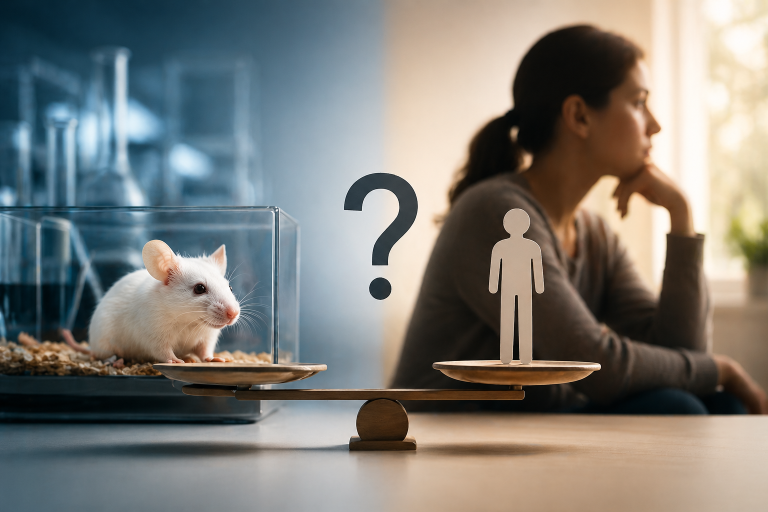
Laboratory mouse, illustrating why results from animal studies may not apply to humans
Science Literacy and Critical Thinking
Why Health Studies Done on Animals Don’t Always Apply to Humans
Stack of newspapers, representing how the media reports scientific research

How Media Misrepresents Scientific Research: Key Misconceptions

Bottles of seed oils such as canola and sunflower oil on a kitchen counter

The Truth About Seed Oils and Health: You May Be Surprised!

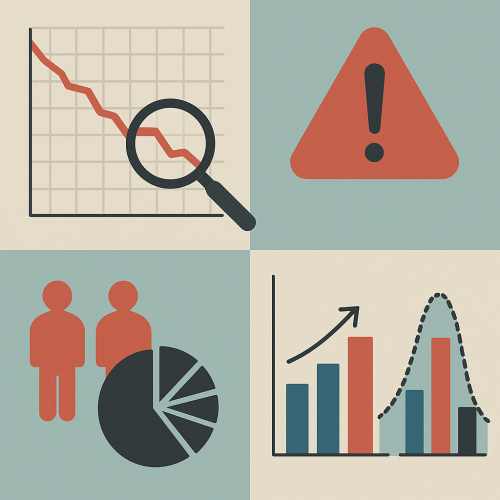
Alarming health statistic in a news headline, showing how risk figures can mislead readers

Why That Scary Statistic Might Not Mean What You Think

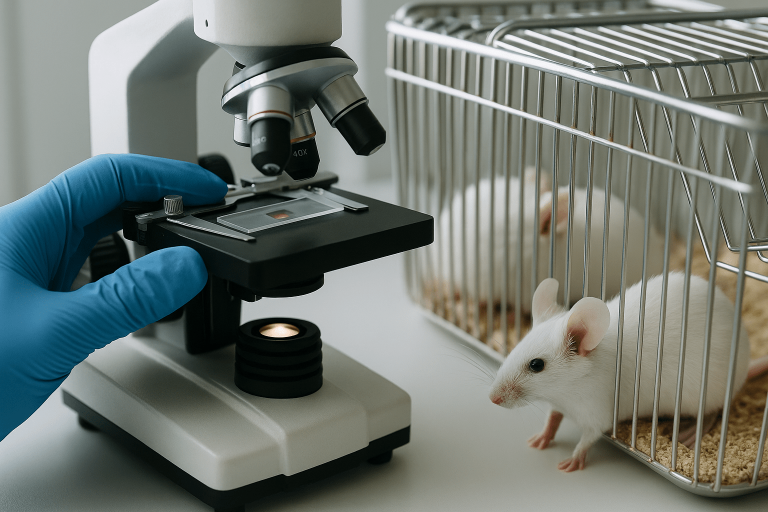
Scientist examining cell cultures in a laboratory, contrasting lab results with results in humans

Why Lab Studies Mislead Us About Medical Breakthroughs

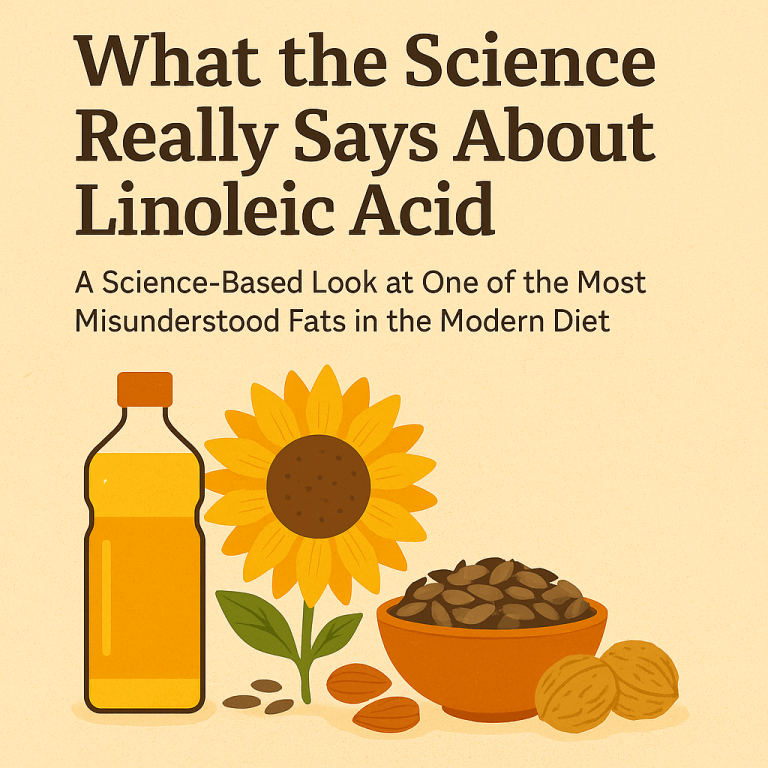
Vegetable oils, nuts and seeds, common sources of linoleic acid

The Truth About Linoleic Acid and Health Risks

Illustration contrasting relative risk and absolute risk in science communication

Absolute Risk: A More Honest Way To Communicate Science

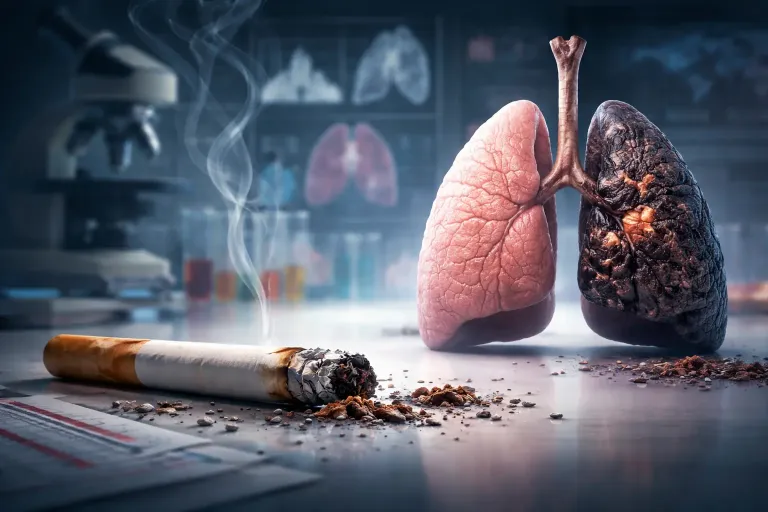
Cigarette beside a pair of lungs, representing the link between smoking and lung cancer

The Real Risk of Smoking and Lung Cancer Explained in Absolute Terms

Cast iron skillet being washed with soap and water

Can You Use Soap on Cast Iron? Separating Kitchen Myth From Science

Person relaxing on a wooden bench inside a traditional sauna

Sauna Benefits: Can Regular Use Improve Your Health?

Unlock This Free eBook

Enter your email to receive this resource directly in your inbox. We’ll send you a secure download link instantly.